Source Mini Roll Shampoo Applicator Brush for Salon, Home, Hotel
Explore 30 options for the mini roll shampoo applicator brush, designed for precise liquid distribution. Compare features like ABS silicone construction, 25ml capacity, and portable designs suitable for scalp care routines in various settings; compare the available evidence and request quotations based on your requirements.
Key considerations
Products List


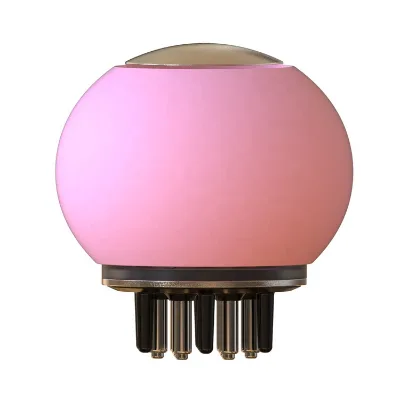


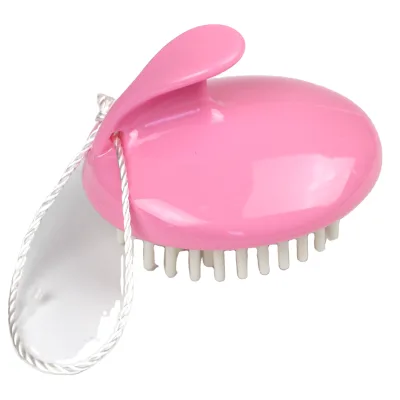




Comprehensive Sourcing Guide
Mini Roll Shampoo Applicator Brush Sourcing Guide
Procuring mini roll shampoo applicator brushes requires a clear understanding of the distinct functional categories available in the current market. Buyers must distinguish between simple plastic combs designed for general hair care and specialized silicone tools engineered for precise liquid application. The observed product landscape includes items labeled as common combs, brushes, and specific scalp applicators, each serving different operational needs within salon or home environments. Understanding these distinctions is critical for aligning procurement with specific business models, whether they focus on retail beauty accessories or professional salon supplies.
The core keyword suggests a focus on portable, roll-style applicators, yet the available data reveals a broader spectrum of related tools. Some listings highlight features like hair growth support and anti-hair loss functions, indicating a niche market for therapeutic scalp care. Other entries describe basic shampoo brushes with round shapes and multiple color options, catering to general bathing and body care routines. Sourcing teams must carefully filter these variations to ensure the selected products match the intended use case, avoiding confusion between simple cleansing tools and specialized liquid dispensing devices.
Product Scope and Observed Listing Signals
The observed product range indicates a diverse market with significant variation in material composition and intended application. Key attributes include plastic teeth for standard combs and environmentally friendly silicone combined with ABS for specialized applicators. These materials directly influence the product's durability, flexibility, and suitability for contact with sensitive scalp areas. Buyers should note that some items are explicitly marked as non-disposable, suggesting a focus on long-term reuse, while others emphasize portability and mini-comb designs for travel or professional kits.
Listing signals also reveal important packaging and dimensional data that impact logistics and retail presentation. Products are packaged in OPP bags, gift boxes, or export cartons, with dimensions ranging from small handheld sizes to larger bulk packaging standards. Weight observations vary from approximately 50g to over 100g per piece, reflecting differences in material density and structural design. These physical characteristics are essential for calculating shipping costs, determining shelf space requirements, and ensuring the product meets the ergonomic expectations of end-users in both salon and home settings.
Technical Specifications to Verify
When evaluating technical specifications, buyers must prioritize the verification of physical dimensions and material integrity. For applicator brushes, the internal liquid volume is a critical specification, with some models supporting up to 25ml of product. This capacity directly affects the frequency of refilling and the overall user experience. Additionally, the physical dimensions of the device, such as those around 65mm to 90mm in various axes, must be confirmed to ensure they fit comfortably in the hand and meet any specific design constraints for retail packaging or professional toolkits.
Material composition requires strict verification to ensure safety and performance. The use of ABS and environmentally friendly silicone is common for applicators, offering a balance of rigidity and flexibility. For comb-style tools, the plastic material must be assessed for smoothness and durability to prevent hair damage. Buyers should request detailed material specifications to confirm that all components are safe for repeated contact with the scalp and skin, particularly for products marketed with functions like hair growth or anti-hair loss, where direct skin interaction is frequent and prolonged.
Compliance and Safety Documentation
Compliance and safety documentation are paramount when sourcing products that come into direct contact with the human scalp and skin. Buyers must verify that all materials used, particularly silicones and plastics, meet relevant safety standards for cosmetic and personal care tools. Although specific certification statuses like CE or ISO standards are mentioned in background data, buyers should not assume compliance without explicit documentation from the supplier. It is essential to request test reports that confirm the absence of harmful substances and the stability of the materials under normal usage conditions.
For products involving liquid storage, such as the 25ml capacity applicators, additional safety checks are necessary to ensure leak-proof seals and chemical compatibility. The packaging materials, including OPP bags and export cartons, should also be evaluated for their protective qualities and environmental impact. Buyers should inquire about the supplier's quality management systems and any relevant certifications that demonstrate a commitment to consistent product safety. This due diligence helps mitigate risks associated with product recalls or customer complaints related to material sensitivity or structural failure.
Cost Drivers and Commercial Terms
Cost drivers for mini roll shampoo applicator brushes are influenced by material complexity, customization options, and packaging requirements. Products with specialized features, such as liquid reservoirs and roll mechanisms, typically command higher prices than simple plastic combs. The availability of customization, including OEM color options and custom sizes, adds to the production cost but offers significant value for brand differentiation. Buyers should analyze the price range, which spans from low-cost basic items to higher-end specialized tools, to align their budget with their target market positioning.
Commercial terms, including MOQ and lead times, vary significantly across suppliers and product types. Observed MOQs range from small quantities suitable for sampling to large volumes for mass production. Buyers must negotiate terms that balance inventory risk with supply chain reliability. Packaging configurations, such as individual OPP bags or bulk export cartons, also impact the final landed cost. Understanding these variables allows procurement teams to forecast total costs accurately and negotiate favorable terms that support their margin goals and inventory management strategies.
Supplier Qualification and Quality Control
Supplier qualification for personal care tools requires a thorough assessment of manufacturing capabilities and quality control processes. Buyers should verify the supplier's experience in producing silicone and plastic goods, ensuring they have the necessary molds and production lines for consistent output. Quality control measures must include rigorous inspection of material quality, dimensional accuracy, and functional performance, particularly for applicators with moving parts or liquid storage components. Requesting samples for hands-on evaluation is a critical step to assess build quality and user experience before committing to large orders.
Establishing clear quality standards and inspection protocols is essential for maintaining product consistency. Buyers should define acceptable tolerances for dimensions, weight, and color variations, and incorporate these into their purchase agreements. Regular audits or third-party inspections can help ensure that production batches meet these standards. Additionally, suppliers should provide clear traceability for materials used, allowing buyers to verify compliance with safety regulations. A robust supplier qualification process minimizes the risk of receiving defective products and ensures a reliable supply chain for ongoing procurement needs.
Long-Term Procurement Checks
Long-term procurement success depends on continuous monitoring of product performance and market trends. Buyers should establish feedback loops with end-users to gather insights on product durability, ease of use, and any issues related to material degradation or functional failure. This feedback is crucial for identifying areas for improvement and guiding future product development or supplier selection. Regularly reviewing supplier performance metrics, such as on-time delivery rates and defect percentages, helps maintain high standards and identifies potential risks in the supply chain early.
Adapting to evolving market demands is also vital for long-term competitiveness. As consumer preferences shift towards more sustainable materials or innovative designs, buyers must stay informed about new technologies and regulatory changes. This includes monitoring updates in safety standards for cosmetic tools and exploring opportunities for eco-friendly packaging solutions. By maintaining a proactive approach to supplier management and market analysis, procurement teams can ensure their product offerings remain relevant, safe, and cost-effective, supporting sustained business growth in the personal care sector.
FAQs
What materials are used for the mini roll shampoo applicator brush?
The mini roll shampoo applicator brush is constructed from ABS and environmentally friendly silicone materials. This combination ensures durability while remaining safe for direct contact with the scalp during application. The design supports liquid retention for effective hair growth treatments.
Can the mini roll shampoo applicator brush be customized for branding?
Yes, customization is available for the mini roll shampoo applicator brush to meet specific branding needs. Buyers can request custom sizes and colors to align with their product lines. This flexibility allows for tailored solutions that fit unique market requirements effectively.
How much liquid volume does the mini roll shampoo applicator brush hold?
The mini roll shampoo applicator brush holds a liquid volume of 25ml per unit. This capacity is designed to provide sufficient product for a single application session without frequent refills. It balances portability with functional utility for home or salon use.
Which models are available for the mini roll shampoo applicator brush?
Several models are available including FS-C26, XTS-001, XTS-002, and XTS-004. Each model features distinct physical dimensions and packaging options to suit different operational needs. Buyers can select the specific model that best matches their volume and size requirements.
What is the net weight of the mini roll shampoo applicator brush?
The net weight of the mini roll shampoo applicator brush varies by model, typically ranging from 50g to 69.4g. This lightweight design ensures easy handling and portability for users. The weight specifications are consistent across the different product variants listed.
Where is the mini roll shampoo applicator brush manufactured?
The mini roll shampoo applicator brush is manufactured in China. This origin location supports the production of various models with different specifications and packaging standards. Buyers can expect consistent quality from the established manufacturing base in this region.
How is the mini roll shampoo applicator brush packaged for export?
The mini roll shampoo applicator brush is packaged in OPP bags, gift boxes, or cartons depending on the model. Export cartons are used to ensure safe transport of multiple units. Packaging options are selected to protect the product during shipping and storage.